The Evidence Behind the Label: Contracting for Green Claims in 2026
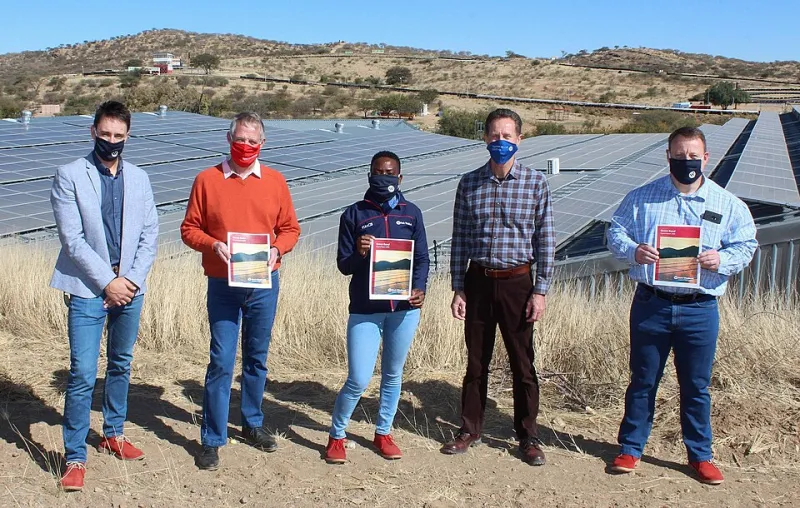
Photo: Bank Windhoek Marketing And Corporate Communications, CC BY 4.0, via Wikimedia Commons
A sustainability claim is no longer a paragraph in a marketing deck. It may be a warranty, a condition of supply, a statement relied on in a tender or a representation that shapes a consumer's decision. The regulatory backdrop has sharpened. The CMA's Green Claims Code sets out principles for environmental claims, and the Digital Markets, Competition and Consumers Act 2024 gave the CMA direct enforcement powers over consumer protection law, including the power to impose penalties. For companies in supply chains, the commercial question is not whether to make green claims, but how to contract for them so that the evidence exists before the claim is tested.
The CMA has been active in green claims across fashion, fast-moving consumer goods and other sectors. Its concern is not that businesses communicate sustainability, but that claims are truthful, clear, complete, substantiated and not misleading. A claim about a product's recycled content, carbon footprint or recyclability may be read in context. The omission of a qualification can matter as much as the headline assertion. For business-to-business contracts, the same statement may also be a misrepresentation, a breach of warranty or a trigger for indemnity if it proves false.
From assertion to defined claim
The first drafting task is to turn a slogan into a defined claim. Carbon neutral, net zero, sustainable and eco-friendly are not self-defining. A contract should specify the metric, the boundary, the baseline, the methodology and the date. Does the claim relate to the product, the packaging, the organisation, the use phase or the full life cycle? Is it measured against a stated baseline year? Which emissions scopes are included? Has it been assured by a named third party, and under what standard?
A schedule of permitted claims is often more useful than a general warranty. The schedule can record the exact wording approved for use, the evidence supporting it and the period for which it may be made. If a supplier wishes to change the wording, it should require approval and re-substantiation. That discipline prevents a sales team from improvising a claim that the legal and technical teams have never seen.
Warranty and due diligence
The warranty should be direct. The supplier should warrant that each environmental claim is accurate, not misleading, substantiated by evidence and compliant with the Green Claims Code and applicable consumer law. It should also warrant that no material information has been omitted and that any certification relied on is valid, current and held by the supplier or another identified party.
Knowledge qualifiers should be used with care. A warranty that a supplier believes a claim to be true is weaker than a warranty that the claim is true. If the supplier cannot give the stronger warranty, the customer needs to know why. Due diligence should include the substantiation file before signature, not after a regulator's enquiry. Sample audits, certification checks and technical questions are more valuable at the contracting stage than a general assurance that the supplier takes sustainability seriously.
Verification rights that produce evidence
Verification is not a one-off. A supplier may hold a certificate at signature and lose it during the term. A product may be reformulated. A recyclability claim may depend on local collection infrastructure. The contract should give the customer a right to request the evidence at defined intervals and on reasonable notice. That may include access to data, records, sites, testing results and third-party assurance reports.
Audit rights should be proportionate and confidential. The clause should identify who may audit, how often, at what cost and what happens to the findings. It should also require the supplier to notify the customer of any material change that affects a claim. If the supplier cannot substantiate a claim, it should be obliged to withdraw or correct the marketing, notify affected customers and cooperate with any corrective action.
Remedies and termination triggers
A breach of an ESG warranty should have consequences beyond a general damages claim. The contract can provide for corrective advertising, product recall, customer notification and the cost of independent testing. A specific indemnity may cover third-party claims, regulatory investigation costs and remediation expenses. Regulatory fines are a more delicate subject; blanket indemnities for penalties may be unenforceable or uninsurable, so the safer focus is on defence costs, remediation and customer compensation.
Termination triggers should be calibrated. A single immaterial error may justify correction, not termination. Persistent failure to substantiate, loss of a critical certification, a finding of misleading conduct or a material breach of the Green Claims Code may justify suspension or termination. The clause should say which party bears the cost of exit and how existing stock, packaging and marketing materials are handled.
Where liability sits
In a supply chain, the party closest to the consumer may face the regulatory and reputational exposure even if the claim originated upstream. A retailer that repeats a supplier's green claim can be responsible for it. The contract should therefore allocate responsibility clearly: who approves the wording, who holds the evidence, who notifies the regulator, who pays for corrective action and who indemnifies whom. A generic compliance warranty is not enough. The allocation should follow the claim, not the corporate structure.
A claim with a lifecycle
Green claims need governance. A claim register, an approval workflow, an evidence file and a review date are basic controls. The contract should require updates when certifications expire, methodologies change or new regulatory guidance appears. The aim is not to discourage environmental communication. It is to ensure that a claim made in 2026 can still be defended when the evidence is requested in 2028.